Lebanese Wine Review: Chateau Qanafar Petit Paradis 2019

Lebanese Wines: Chateau Qanafar Petit Paradis 2019

Name: Château Qanafar Petit Paradis 2019
Type: Red Wine
Grapes: Syrah, Cabernet-Sauvignon
Year: 2019
Country: Lebanon
Region: Bekaa Valley
Date Consumed: March 8, 2024

Last night, we went to this nice place called Le Jardin Beirut. There was me, my wife, her sister, and a friend of the family. We were there for the live entertainment. The live entertainment was an old man with an acoustic guitar. He performed old songs that I love, including “House of the Rising Sun” by The Animals, “Hey Jude” by The Beatles, and many others.

The four of us had three bottles of wine, and one of them was the Petit Paradis de Qanafar. While I did not like the Petit Paradis as much as I liked the Mago, I’d still be open to having it a second time to get to know it better. But it’s a good wine nonetheless, a little above average, too. I’d give it 73/100.
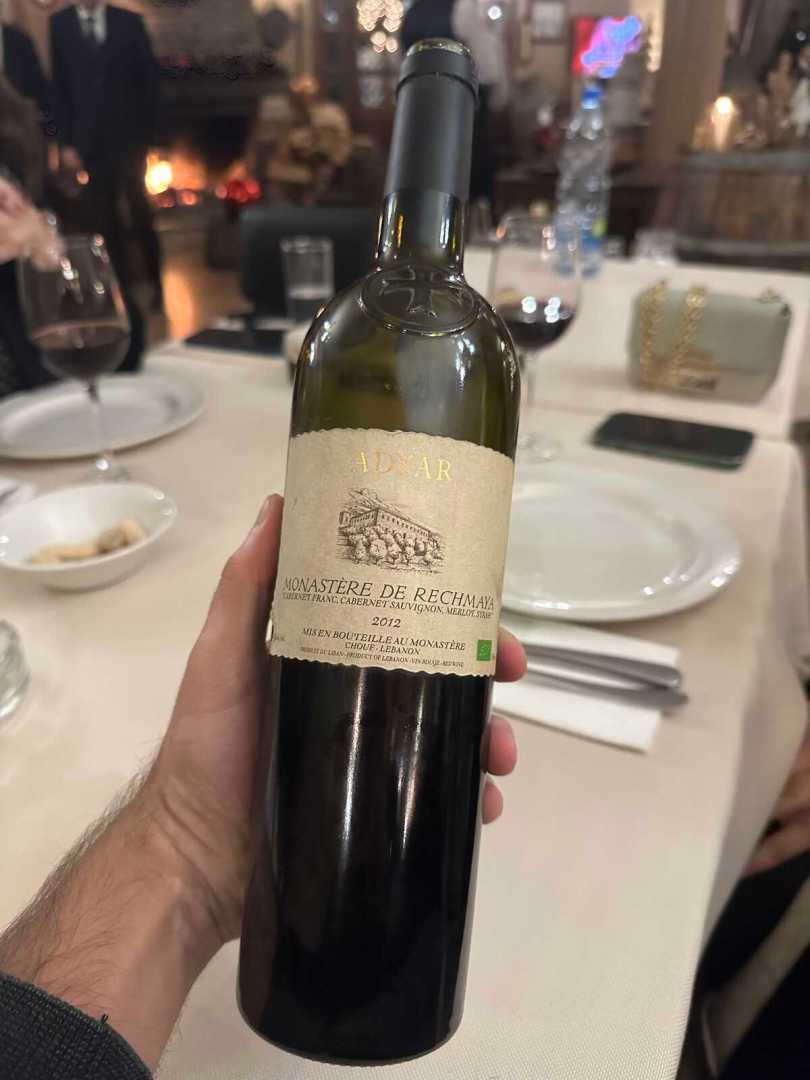
Wine of Adyar Monastère de Rechmaya 2012

Lebanese Wines: Adyar Monastère de Rechmaya

Name: Monastère de Rechmaya 2012
Type: Red Wine
Grapes: Cabernet-Sauvignon, Syrah, Merlot, Cabernet-Franc
Year: 2012
Country: Lebanon
Region: Chouf
Date Consumed: December 9, 2023

It was cold outside,
not as cold as it should have been,
but cold enough for wine to be drunk
to warm our spirits.

“Such a lovely restaurant,” one of us said
as we let the waiter lead us to our table.
Our table faced the fireplace —
“Such a lovely fireplace!” —
where the gentle fire performed
a belly dance.

We ordered arak first,
and then wine,
and then mezze.

And we talked until
our stomachs were full.

I must say,
This is the kindest December I’ve ever met.
It has rained a few times
but not enough times to convince people
that a new season has come.


Lebanese Red Wines: Noe

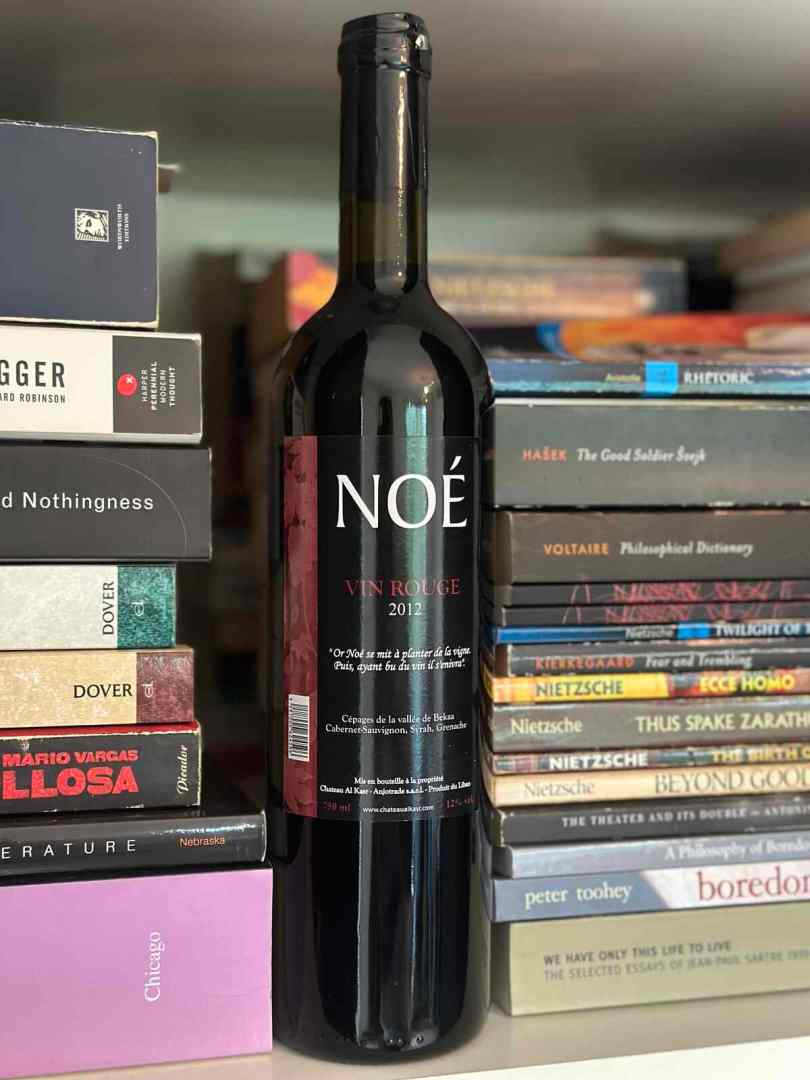
Lebanese Wines: Noé 2012

Name: Noé 2012
Type: Red Wine
Grapes: Cabernet Sauvignon, Syrah, Grenache
Year: 2012
Country: Lebanon
Region: Bekaa Valley
Date Consumed: November 19, 2023

I got this bottle from Ardoum Winery. The winemaker explained that they would never make the Noé again because the grapes they used to make the blend weren’t from their own vineyards. From now on, the winemaker explained, they would focus on producing wines made with their own grapes, and they’d be calling them Ardoum. Therefore, it can be said that this was the first and last time I would uncork a bottle of Noé.

The 11-year-old wine slid into my glass, blood-red. I took a sip, worrying that it had passed its prime, but it was still good. I could definitely taste the years. Ferric notes lingered on my tongue for a long moment after I swallowed my first sip. I took a second sip to study its structure, and then a third sip to say goodbye.