Lebanese Wine Review: A Red Wine by Couvent Rouge

Lebanese Wines: Al Dayaa 2014 by Couvent Rouge

Name: Al Dayaa 2014 by Couvent Rouge
Type: Red Wine
Grapes: Tempranillo, Cabernet Sauvignon
Year: 2014
Country: Lebanon
Region: Deir El Ahmar, Bekaa Valley
Date Consumed: February 2, 2025

An interesting discovery. This is good quality wine, and I’m happy that I tried it.

I bought it a while ago from a small mouneh shop located near the Monastery of Saint Maron in Aannaya. They had a selection of wine, and I just picked the one I was unfamiliar with. (You know me. I’m on a mission to try every red wine made in Lebanon.)

I uncorked the bottle on Sunday when we were having dinner with the family in an Airbnb apartment in Faqra. And all those who tried it liked it. It’s a smooth, easy-to-drink wine with notes of ripe red fruits and tiny hints of tomato and tobacco.

Unfortunately, since it isn’t really one of the famous wines of Lebanon, I couldn’t find anything about it on the internet. However, I got enough information about the bottle from the label — it mentions the name of the grapes used (Cabernet Sauvignon, Tempranillo) and where it was bottled.

It was bottled in Couvent Rouge, and I’ve tried one of their wines before.

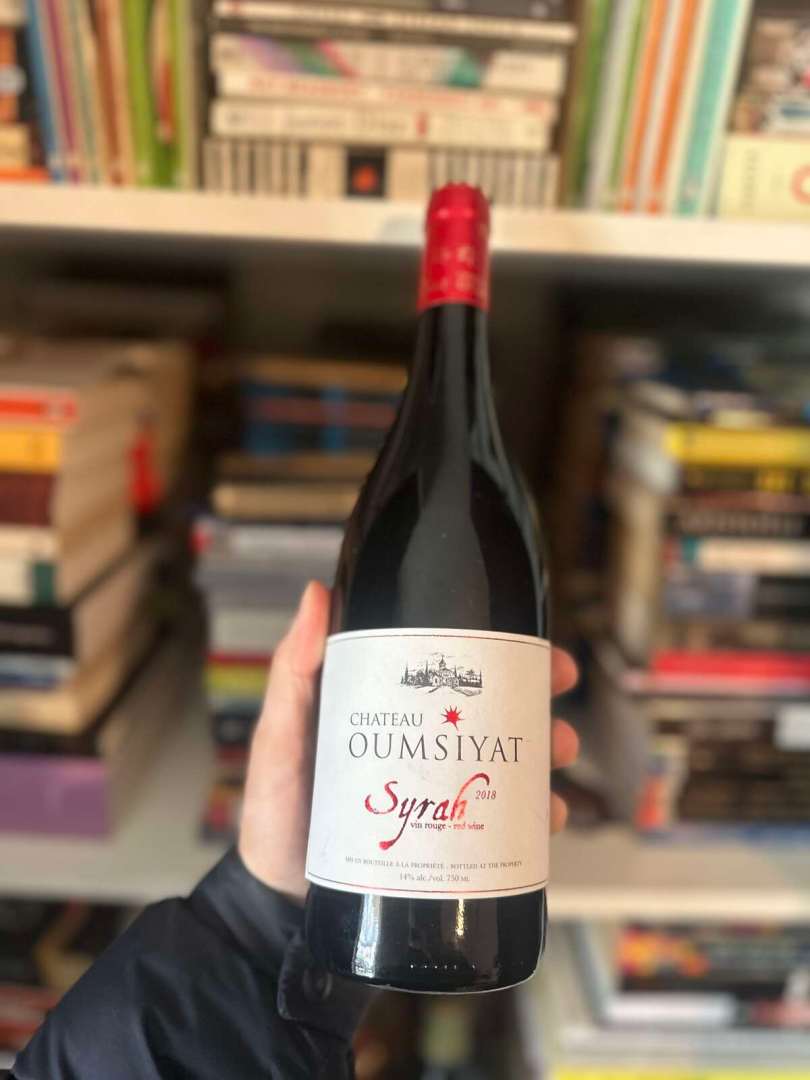
Lebanese Red Wine Review: Chateau Oumsiyat Syrah

Lebanese Wines: Chateau Oumsiyat Syrah 2018

Name: Chateau Oumsiyat Syrah 2018
Type: Red Wine
Grapes: Syrah
Year: 2018
Country: Lebanon
Region: Mount Lebanon
Date Consumed: January 26, 2025

I can imagine emptying a whole bottle by myself on a Friday evening after a long workweek. This is a nice wine to pair with long breaks and full-bodied Nicaraguan cigars. It’s also a nice wine to pair with philosophical texts. I can taste darkness and depth. I can smell pines and petrichor. I can see words sinking in a purple ocean…

Whisky Review and Pairing: Lagavulin 16 paired with a Cohiba Cigar

Artificial Intelligence Reviewing Whiskies

Skimming through New Scientist articles this morning, I came across one titled “AI beats human experts at distinguishing American whiskey from Scotch.” Apparently, artificial intelligence can now tell the difference between Scotch whisky and American whiskey, and it can also identify the main aromas of the spirit it is analyzing. It can detect the peaty, malty, fruity, spicy, and woody notes of the whisky, and so on. Moreover, as the title of the New Scientist article indicates, the AI proved to be better at this than human experts. Whisky (as well as wine, beer, etc.) connoisseurs, reviewers, and dilettantes like myself may soon need to find new pastimes. If there’s a machine out there that is able to deliver a more comprehensive review of a drink, then whisky or wine tastings won’t be as fun anymore, will they? The cold analysis of an objective machine will kill the phenomenology of the spirit. Philosophizing about the single malt Scotch you’re having is half the fun… However, it is important to note that, technically, the AI (which is an “AI molecular odour prediction algorithm”) isn’t really tasting the drink; it is analyzing the chemical compounds in it. So, for the time being, I’d say it’s still too early for us to worry about AI replacing us in bars and pubs, drinking all our booze, picking up the hottest women, and everything. And even though AI may understand the construction of the spirits much better than we do, it cannot experience that nice buzz we get after the second glass. Not yet, at least.

I wonder if, in the end, insobriety — the Dionysian state many of us enjoy — will remain one of the few characteristics reserved for humans, inaccessible to machines. Or will we also one day witness a (self-aware) machine deliberately exit its Apollonian state to get drunk and have some fun?

After all, it’s only worth it if you can enjoy it. And sentient machines may desire to experience drunkenness…


Reference: Odor prediction of whiskies based on their molecular composition